0 BASKET
products in your basketto quote Checkout
Ooops no items were found.
Try something else.
Ok
Loading…

Workplace Wellness Starts with the Right Furniture

An office desk and chair might look like simple pieces of furniture, but choosing the right setup can have a huge impact on your team’s comfort, health and productivity. With many of us spending long hours at a desk, whether in the office, hybrid or remote, the right furniture becomes essential. This guide explores why ergonomic furniture matters and how it supports people and businesses.
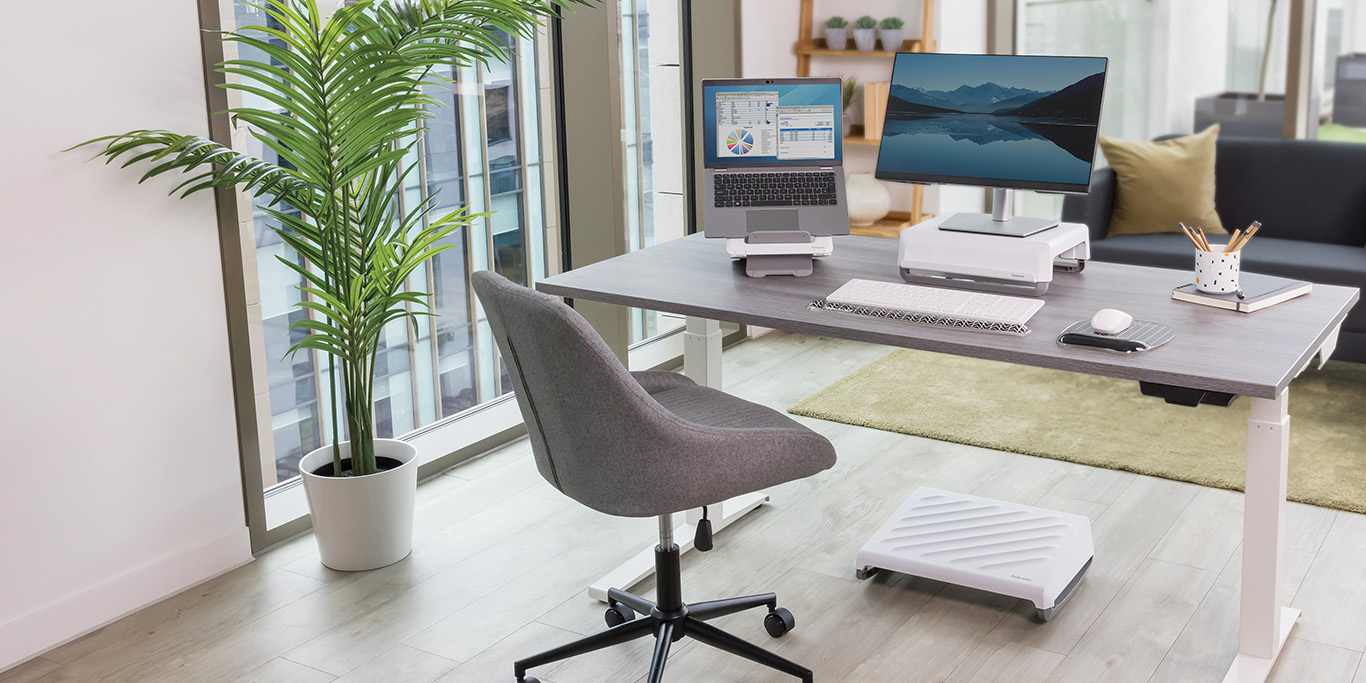
Ergonomic office furniture Ergonomic office furniture

The Impact of Poor Furniture Choices

Poor furniture may seem like a minor issue, but over time the effects can significantly influence wellbeing and performance. According to studies, more than two out of three office workers report back, or neck pain linked to their workstation setup.

Common problems include:

  • Back pain, neck strain and spinal stress caused by poor seating or posture.
  • Wrist, shoulder or joint discomfort due to incorrect keyboard and screen positioning.
  • Reduced focus, fatigue and lower morale caused by ongoing discomfort.
  • Increased long term risk of musculoskeletal disorders, which can lead to absence and long-term health issues.

Research shows that organisations across Europe lose an average of 14 working days per employee each year due to workstation related discomfort and injuries.

How Ergonomic Furniture Supports People

Ergonomic furniture is designed to support posture, reduce strain and encourage healthier working habits throughout the day. Studies have found that:

  • 81% of employees noticed a positive difference to their health after using ergonomic equipment.
  • 89% of employees found that ergonomic equipment helps them feel healthier, more motivated and productive at work.

These changes do not only influence physical comfort. They also affect energy levels, focus, mood and general wellbeing.
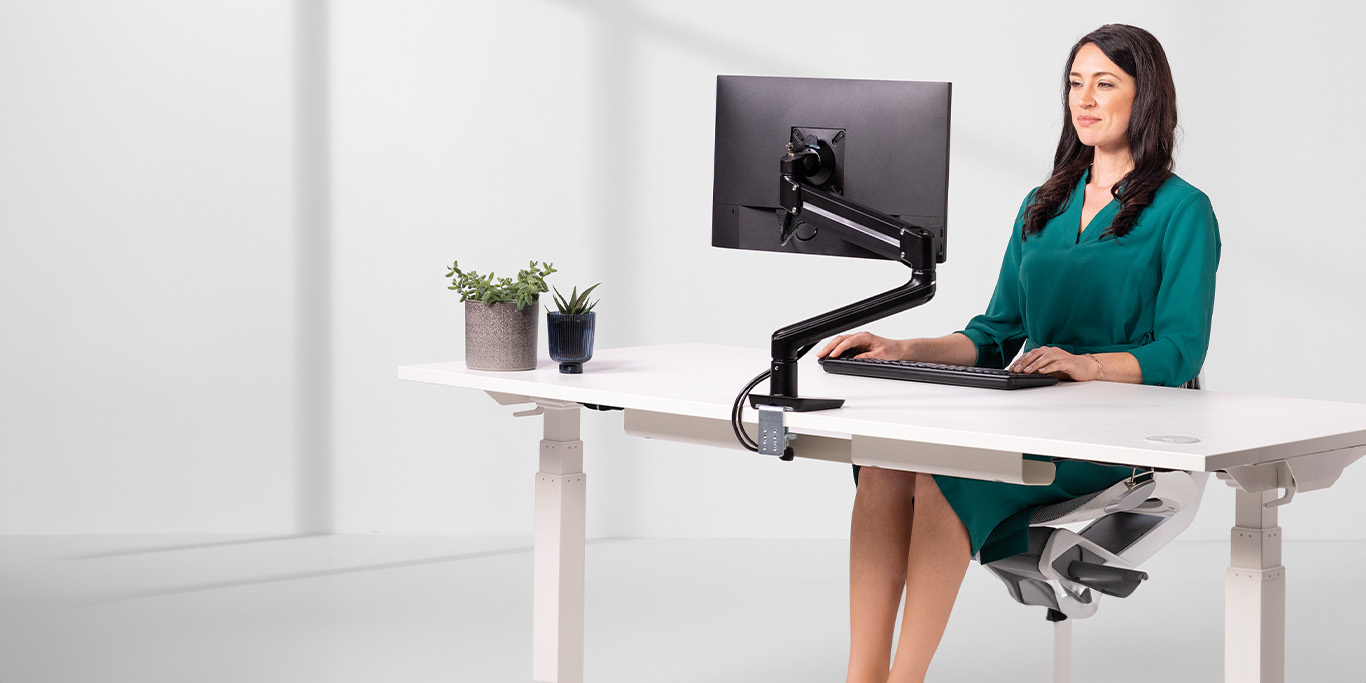
Ergonomic office furniture

What Good Furniture Looks Like

Not all office furniture is created equal. When investing in workstations or advising teams on setup, look for:

  • Fully adjustable chairs that allows seat height, seat depth, backrest and armrest adjustments.
  • Sit stand desks or height adjustable desk that encourages movement and reduces the risks linked to prolonged sitting.
  • Properly set up workstations where the screen sits at eye level and the keyboard and mouse are within easy reach.
  • Supportive accessories such as monitor arms, footrests, wrist supports or laptop stands. These can be especially important for hybrid workers.
  • Regular reminders about posture, breaks and movement to avoid static positions throughout the day.

Why Businesses Should Care

Supporting employees with the right furniture is good for people, but it is also good for business. Research into ergonomics, highlights several benefits:

  • Reduced absenteeism and fewer health related complaints when ergonomic risks are minimised.
  • Improved morale, satisfaction and retention because people feel more comfortable and supported.
  • Higher productivity because well supported employees maintain focus and work more efficiently.
  • Long term financial savings through fewer injuries, reduced sick leave and lower turnover.

Ergonomics is a foundation of workplace wellness. When employees feel physically supported, everything else becomes easier.
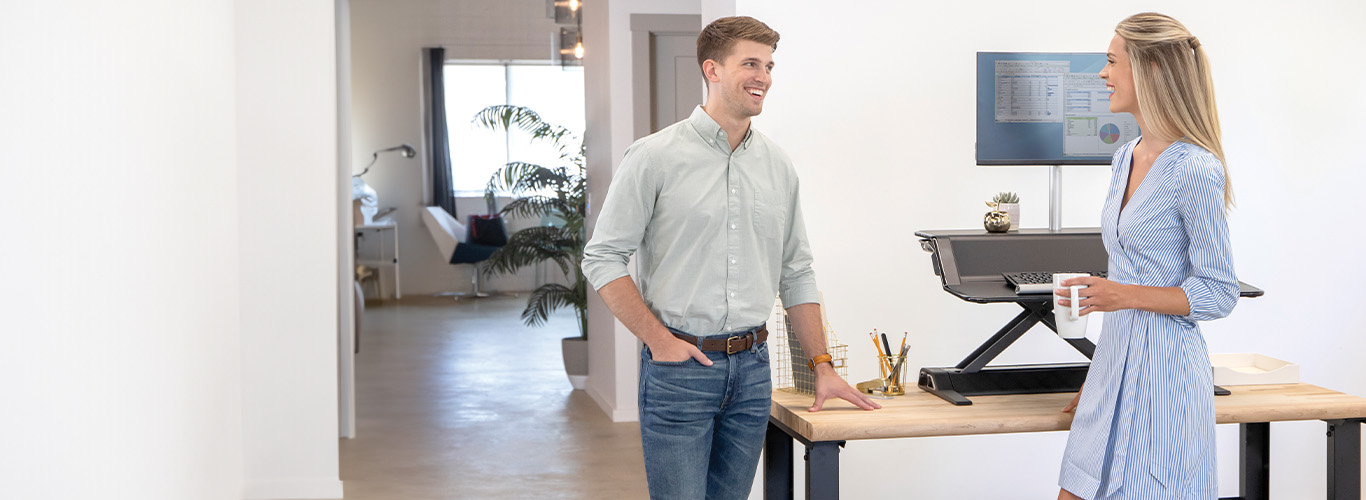
sit/stand desk

How to Get Started

Businesses can take a simple step by reviewing their current workstation setups. A good starting point includes:

  • Running a workstation assessment for office and hybrid teams.
  • Upgrading to ergonomic chairs, height adjustable desks and posture supporting accessories.
  • Offering guidance on how to set up equipment correctly.
  • Encouraging frequent movement, regular posture checks and short breaks.
  • Reviewing workstations regularly as people, roles or equipment change.

Choosing the right furniture is one of the most effective ways to support workplace wellness. It improves comfort, reduces injury risks and helps people work at their best.

If you are considering upgrading your office or improving hybrid working setups, explore our dedicated Interiors website or contact our expert Interiors team for advice on ergonomic desks, chairs and accessories designed to support healthy working.

Sources: Fellowes Workspace Ergonomic Revolution, Fellowes Ergonomics Whitepaper.

Explore Categories

Explore Categories

Workplace Wellness Starts with the Right Furniture

An office desk and chair might look like simple pieces of furniture, but choosing the right setup can have a huge impact on your team’s comfort, health and productivity. With many of us spending long hours at a desk, whether in the office, hybrid or remote, the right furniture becomes essential. This guide explores why ergonomic furniture matters and how it supports people and businesses.
Ergonomic office furniture Ergonomic office furniture

The Impact of Poor Furniture Choices

Poor furniture may seem like a minor issue, but over time the effects can significantly influence wellbeing and performance. According to studies, more than two out of three office workers report back, or neck pain linked to their workstation setup.

Common problems include:

  • Back pain, neck strain and spinal stress caused by poor seating or posture.
  • Wrist, shoulder or joint discomfort due to incorrect keyboard and screen positioning.
  • Reduced focus, fatigue and lower morale caused by ongoing discomfort.
  • Increased long term risk of musculoskeletal disorders, which can lead to absence and long-term health issues.

Research shows that organisations across Europe lose an average of 14 working days per employee each year due to workstation related discomfort and injuries.

How Ergonomic Furniture Supports People

Ergonomic furniture is designed to support posture, reduce strain and encourage healthier working habits throughout the day. Studies have found that:

  • 81% of employees noticed a positive difference to their health after using ergonomic equipment.
  • 89% of employees found that ergonomic equipment helps them feel healthier, more motivated and productive at work.

These changes do not only influence physical comfort. They also affect energy levels, focus, mood and general wellbeing.

Ergonomic office furniture

What Good Furniture Looks Like

Not all office furniture is created equal. When investing in workstations or advising teams on setup, look for:

  • Fully adjustable chairs that allows seat height, seat depth, backrest and armrest adjustments.
  • Sit stand desks or height adjustable desk that encourages movement and reduces the risks linked to prolonged sitting.
  • Properly set up workstations where the screen sits at eye level and the keyboard and mouse are within easy reach.
  • Supportive accessories such as monitor arms, footrests, wrist supports or laptop stands. These can be especially important for hybrid workers.
  • Regular reminders about posture, breaks and movement to avoid static positions throughout the day.

Why Businesses Should Care

Supporting employees with the right furniture is good for people, but it is also good for business. Research into ergonomics, highlights several benefits:

  • Reduced absenteeism and fewer health related complaints when ergonomic risks are minimised.
  • Improved morale, satisfaction and retention because people feel more comfortable and supported.
  • Higher productivity because well supported employees maintain focus and work more efficiently.
  • Long term financial savings through fewer injuries, reduced sick leave and lower turnover.

Ergonomics is a foundation of workplace wellness. When employees feel physically supported, everything else becomes easier.

sit/stand desk

How to Get Started

Businesses can take a simple step by reviewing their current workstation setups. A good starting point includes:

  • Running a workstation assessment for office and hybrid teams.
  • Upgrading to ergonomic chairs, height adjustable desks and posture supporting accessories.
  • Offering guidance on how to set up equipment correctly.
  • Encouraging frequent movement, regular posture checks and short breaks.
  • Reviewing workstations regularly as people, roles or equipment change.

Choosing the right furniture is one of the most effective ways to support workplace wellness. It improves comfort, reduces injury risks and helps people work at their best.

If you are considering upgrading your office or improving hybrid working setups, explore our dedicated Interiors website or contact our expert Interiors team for advice on ergonomic desks, chairs and accessories designed to support healthy working.

Sources: Fellowes Workspace Ergonomic Revolution, Fellowes Ergonomics Whitepaper.

SEARCH ×